
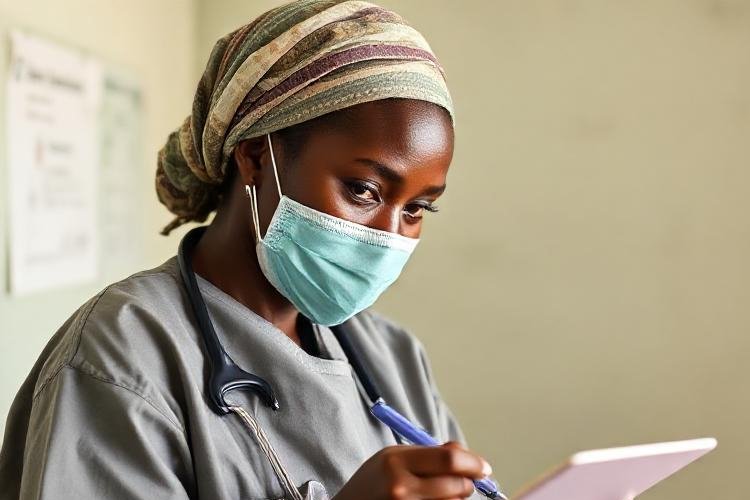
This project provides preventive health screenings, consultations, counseling, and health education programs to underserved communities, ensuring access to quality healthcare.
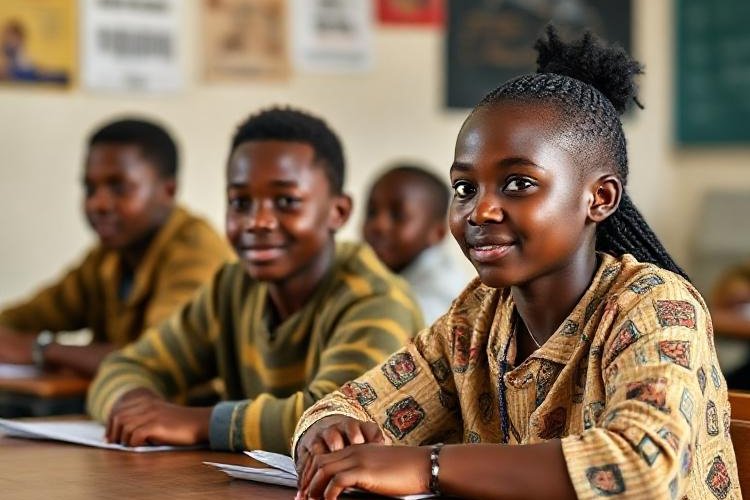
We aim to build and improve local school facilities, creating safe, supportive learning environments that enhance academic success and inspire children to stay in school.
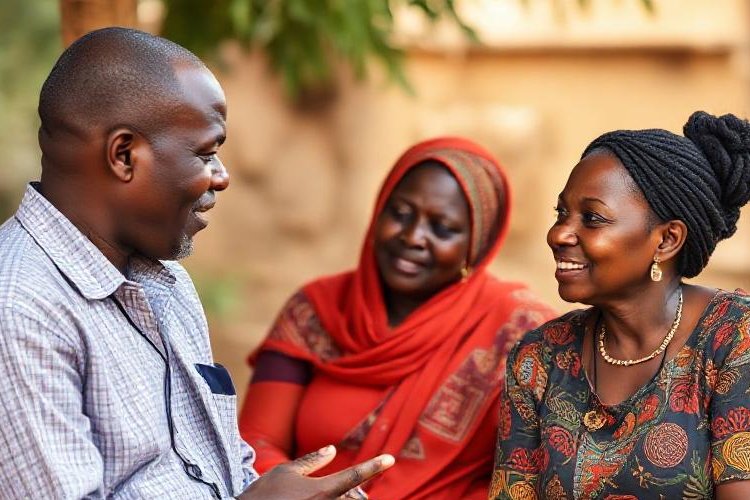
From retreats, Christmas parties to educational trips, we organize activities that foster community bonding, celebrate achievements, and provide positive experiences for children and families
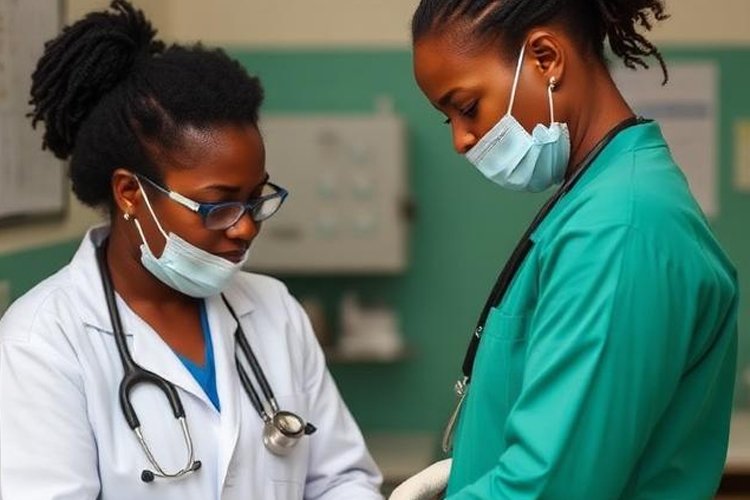
Empowering families with knowledge that saves lives.
In the United States, we provide culturally relevant health education that helps individuals and families understand their health, prevent illness, and navigate the healthcare system with confidence.
Our workshops, digital resources, and one-on-one coaching cover topics such as chronic disease prevention, nutrition, maternal health, mental wellness, and health literacy.
We believe that informed communities are healthier communities — and that knowledge is a powerful tool for long-term wellbeing.

Helping families stabilize during their most vulnerable moments.
We assist households facing hardship by providing short-term support such as food, clothing, hygiene items, rent assistance (when available), and referrals to essential community resources.
Many families fall through the cracks of larger systems — and our goal is to fill those gaps with compassion, practical support, and dignity.
Whether it’s a family facing eviction or a single parent struggling with basic needs, Gilbert Care Network steps in to provide immediate relief and help families regain stability.
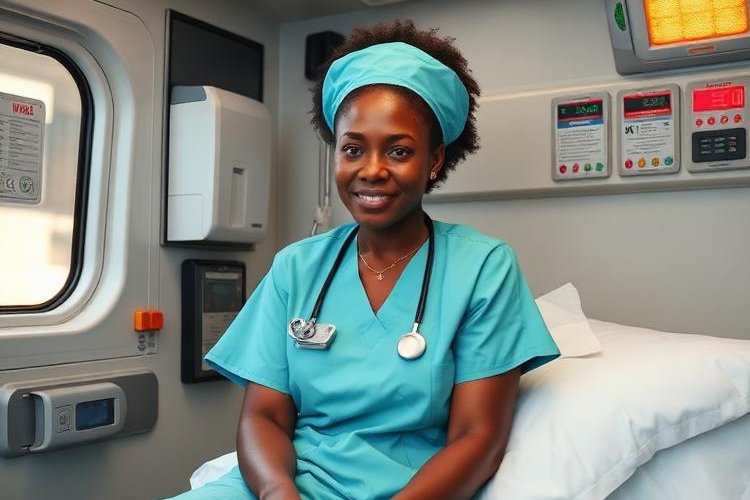
Ensuring vulnerable individuals never miss a life-saving appointment.
Transportation should never be the reason someone goes without medical care. Our program helps low-income individuals, seniors, and those with chronic conditions get to essential medical appointments, including doctor visits, dialysis, cancer treatments, pharmacy pickups, and specialist care.
By removing transportation barriers, we help prevent complications, reduce hospitalizations, and improve long-term health outcomes for those who need it most.
 Donate

